
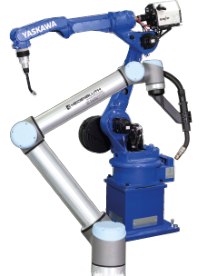
Welding technology training
Welding technology is of central importance in numerous industrial sectors. In our welding technology training courses, participants learn to apply a wide variety of welding processes professionally and to meet safety standards.
The training covers welding techniques such as MIG/MAG, TIG, and manual metal arc welding, supplemented by courses in weld preparation and materials science. Participants can also take welder qualification tests according to standards such as ISO 9606-1 to obtain the necessary certifications for industry.
Key areas of our welding technology training courses
- Teaching basic and advanced skills in all common welding processes
- Training to prepare for examinations according to international standards
- Occupational safety in the welding process
Our welding courses
FAQ about welding courses
What are the requirements for participating in a welding course?
- Generally, basic welding knowledge is helpful (depending on the course). We also offer courses where "Introductory knowledge: Fundamentals of welding" is important.
- Depending on the procedure, certain physical requirements (e.g. good eyesight, sufficient motor skills), safety knowledge and, if necessary, protective equipment may be required.
How long does a welding course last and what content is taught?
- For example, we offer "individual welding training courses", which are scheduled to last, for example, 4 days.
- Shorter courses are possible for certain processes: for example, resistance welding. In that case, the course duration is only one day.
- Typical contents:
- Theory: Materials and materials science, weld preparation, selection of filler materials, influence of parameters, shielding gases, etc.
- Practical exercises: Application of the welding process, torch positioning, seam execution, and, if necessary, testing.
- Occupational safety and standards were included.
Which welding process will I learn in the course – MIG, MAG, TIG or MMA welding?
- Our courses cover MIG/MAG, TIG and MMA welding.
- Additional processes depending on the course: e.g., CrNi welding, aluminum welding, resistance welding, oxyacetylene welding, and much more.
Will I receive a certificate or welder's qualification after the welding course?
- Yes. Participants can take welder tests according to standards such as ISO 9606-1 to obtain the required certificates.
- We also offer certificates or a confirmation of participation at the end of the course.
How much does a welding course cost and what funding opportunities are available?
Inquire about our training courses. We will send you a quote.